
Employee engagement sits at the heart of strategic human resources. From boosting employee productivity to strengthening company culture, understanding what is employee engagement in HR is essential for any organization aiming for long-term success.
In simple terms, employee engagement refers to the emotional and intellectual connection an individual has with their work and the organization. Employee engagement is not simply about being satisfied—it’s about feeling motivated and genuinely invested in helping your company succeed. Organizations with engaged employees outperform their peers because these team members show initiative, creativity, and loyalty.
Why Employee Engagement Matters
When your workforce feels engaged, it drives organizational success. Highly engaged individuals contribute to positive work environment, meaningful customer interactions, and customer satisfaction. This translates into better business outcomes, increased employee retention, and strong financial performance.
Conversely, disengaged employees and actively disengaged employees can erode morale, decrease productivity, and affect your employee satisfaction metrics. What’s worse, these disengaged individuals may spread negativity throughout your team unless engagement becomes a priority.
Key Concepts and What They Mean
Employee Experience vs Satisfaction
While employee satisfaction measures how content a person is with basic job conditions (such as pay, work environment, and benefits) employee engagement digs deeper into emotional engagement, cognitive commitment, and actual behaviors that drives employee engagement and impact business outcomes.
Satisfaction can tell you how employees feel about certain aspects of work, but it doesn’t necessarily reveal whether individual employees are motivated to go above and beyond or willing to give discretionary effort toward organizational goals.
Engaged employees, on the other hand, are emotionally connected to their role and the company’s mission, which boosts employee engagement across teams and contributes to high employee engagement levels
This distinction matters because employee engagement important is supported by multiple employee engagement insights and employee engagement research, which highlight that focusing solely on satisfaction can mask deeper opportunities to increase employee engagement and create a more engaged workforce. Engagement is what improve employee engagement truly looks like: it reflects drive, purpose, involvement, and agency in one’s work—beyond being merely comfortable or content at
When HR teams act on these insights with well-designed employee engagement initiatives, such as tailored development programs for new employees, stronger manager support, or inclusion practices for hybrid and remote teams, the impact is far greater than simply knowing employees are satisfied.
Engagement efforts help cultivate an environment where people feel psychologically invested and emotionally committed, which supports long-term retention and performance. Research consistently shows that when employees are engaged—instead of merely satisfied—they bring more energy and focus to their roles, help build a more engaged workforce, and contribute to improved productivity and innovation.
Read also: How To Create A Successful Hybrid Workforce
In other words, satisfaction might signal that employees feel okay about where they work—but engagement reveals whether they want to stay, contribute, and grow, which is why leading HR professionals emphasize ongoing employee engagement initiatives and maintaining employee engagement as part of an overall employee engagement strategy that supports real business outcomes.
Check ort article: Emplyee Satisfaction Surveys 101.
Engagement Levels Across Your Team
Workplaces typically see a range of engagement levels:
- Highly engaged employees who drive innovation and customer delight
- Those simply meeting expectations
- Individuals at risk of disengagement, whose lack of involvement can impact team morale and company goals
Tracking these dynamics helps HR better understand the real condition of workplace engagement.
How HR Measures Engagement
To get a true picture of how your people are feeling and performing, HR professionals can take a data-driven approach:
Employee Engagement Survey
An employee engagement survey gathers employee sentiment on topics like purpose, recognition, and growth opportunities. Well-designed employee engagement survey questions give leaders a nuanced view of what’s working—and what’s not.
One practical tool for understanding these differences gather feedback and actionable data is the annual engagement survey. While satisfaction surveys might ask whether people like their benefits or work life balance, engagement surveys explore questions about sense of purpose, connection to organizational goals, and commitment to success. These employee engagement survey questions yield actionable insights—not just snapshots of mood but clues about the key drivers that truly drives employee engagement across your
Employee Engagement Measures & Benchmarks
Analyzing survey results against employee engagement benchmarks and internal trends allows HR managers to objectively assess engagement and identify priorities. These insights help HR teams measure employee engagement effectively and tailor interventions.
Voice of the Employee
Ongoing employee feedback tools, including pulse checks and stay interviews, give a real-time perspective on employee commitment and areas for improvement.
Drivers of Strong Engagement
Understanding the drivers of employee engagement lets leaders build targeted strategies. Common drivers include:
- Clear purpose and mission
- Recognition and growth opportunities
- Meaningful work and autonomy
- Cultural alignment
- Work-life balance and healthy work life balance initiatives
- Quality leadership and support
These engagement drivers often overlap with elements that enhance employee well-being and professional development, contributing to a more motivated and resilient workforce.
Proven Engagement Strategies
A well-crafted employee engagement strategy helps bridge the gap between intention and action. It gives HR teams a framework to focus on the benefits of employee engagement, build emotional commitment, and keep employees motivated in ways that drive real business results.
Below are several components HR teams use:
Build a Formal Engagement Program
A structured employee engagement program enables HR to plan, implement, and evaluate interventions that boost employee engagement. By bringing focus and intentionality to your efforts, it becomes easier to identify what works, ensure alignment with organizational goals, and demonstrate the benefits of employee engagement in measurable ways. Regular check-ins, clear ownership, and accountability help to embed engagement into everyday operations rather than treating it as a one-off activity.
Include Engagement Initiatives Across the Entire Organization
An employee engagement strategy shouldn’t live in HR alone. Engagement initiatives must be visible across the entire organization and practiced at every level. When frontline managers, senior leaders, and team facilitators model engaged behavior, it strengthens emotional commitment and makes it easier for all employees to see their role in the company’s success. This collective effort drives employee engagement, sprouting a culture where people feel empowered to contribute and collaborate.
Leverage Professional Growth & Benefits
Offering professional growth opportunities, mentoring, purposeful benefit programs, and clear pathways for new employees and tenured staff alike increases job satisfaction and personal investment. When individuals feel their development is prioritized, they are more likely to stay engaged and more motivated to apply their strengths at work. These programs not only help increase employee engagement but also build trust in the organization’s vision and create a sense of forward momentum.
Pay Attention to Work-Life Balance
Work-life balance isn’t just a nice-to-have—it’s a business imperative. Research shows that support for a balanced life reduces burnout, increases employees motivated to give discretionary effort, and fortifies emotional connections to the workplace. Programs like flexible schedules, mental health days, and policies that respect personal boundaries contribute to a positive, sustainable work environment where people can thrive both at work and in their personal lives.
Benefits of Focusing on Engagement
Companies that invest in engagement reap measurable gains, including:
- Improved employee retention
- Higher employee performance
- Increased employee productivity
- Better employee net promoter score
- Stronger organizational culture
- Greater customer satisfaction
- Reduced turnover, absenteeism, and burnout
Engaged employees aren’t just happier; they actively contribute to the organization’s competitive edge and business success.
Leveraging Tools to Support Engagement
While engagement is fundamentally human, technology plays a helpful role in supporting employee engagement efforts.
For example, Unrubble offers workforce management capabilities—such as scheduling, time tracking, and self-service tools—that help simplify everyday processes, reduce administrative burden, and boost engagement indirectly. By giving employees clarity and control over their work patterns, it contributes to a more positive daily experience and encourages transparency and trust.
Although not a traditional employee engagement software, platforms like Unrubble support engagement programs by freeing managers to spend more time on human-centered leadership and less on routine operations.
Maintaining Engagement Over Time
Boosting engagement shouldn’t be a one-time project - it’s part of continuous improvement. This means:
- Reviewing engagement data regularly
- Revisiting employee engagement strategy goals
- Adjusting engagement initiatives based on insights
- Investing in employee experience through ongoing learning
With iterative evaluation and meaningful action, organizations cultivate a culture where employees feel valued and committed for the long haul.
Conclusion: Engagement Drives Success
At its best, employee engagement fuels organizational engagement and a thriving workplace. From culture and leadership to daily experiences and feedback cycles, a well-rounded approach positions your company for sustainable growth.
Yet, keeping engagement high also becomes a lot easier when the everyday tools your team relies on actually support them instead of slowing them down. That’s where a simple, reliable workflow tool like Unrubble makes a real difference.
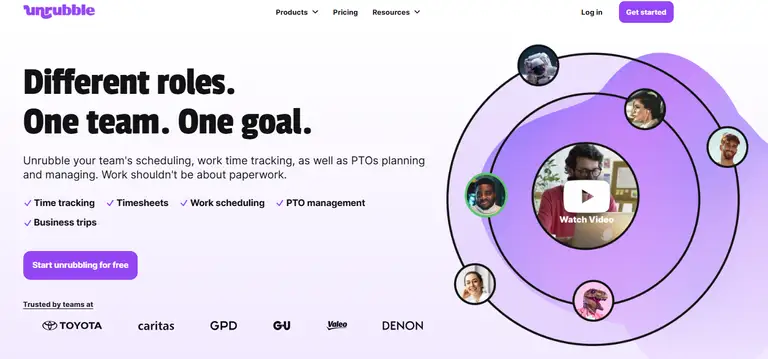
Unrubble helps teams stay organized with clean scheduling, time tracking, and PTO management that employees can understand at a glance. It removes the small daily frustrations that often chip away at engagement — missed shifts, unclear hours, manual approvals, or confusion about who’s working when.
When people feel more in control of their time, they show up more confidently to their work.
And Unrubble doesn’t try to reinvent your HR strategy; it strengthens it in the background.
By reducing administrative noise, managers get more room for real conversations, coaching, and the kind of support that keeps employees connected to the company’s goals. And employees appreciate the clarity — they can request time off, check schedules, and manage updates from one place without chasing emails or spreadsheets.
If you’re trying to build engagement that lasts, pairing your HR initiatives with tools that make daily work smoother is a smart move.
Want to see how Unrubble can support your engagement efforts? Try it free and experience the difference for your team.